
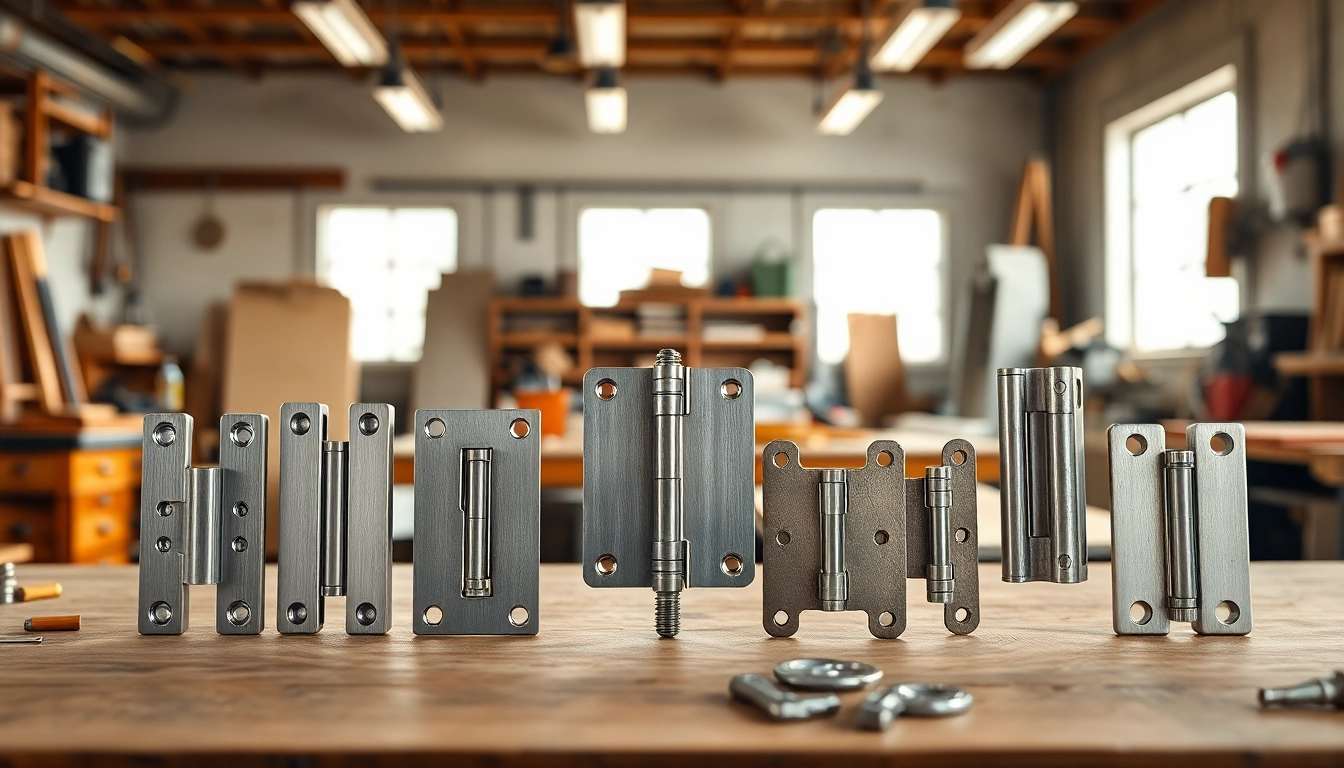
Understanding Cabinet Hinge Manufacturers
Cabinet hinges are one of the most fundamental hardware components in furniture design and functionality. Their role is essential not only in kitchen cabinets but also in various furniture pieces, influencing the ease of use and aesthetic appeal. Engaging with Cabinet Hinge Manufacturers is crucial for selecting the best products that suit your design needs and functional requirements. In this comprehensive guide, we will explore what cabinet hinges are, their importance, types, features to consider, best installation practices, and emerging trends in the industry.
What Are Cabinet Hinges?
Cabinet hinges are mechanical devices that connect the cabinet door to the cabinet frame. They allow the door to swing open and closed, providing access to the cabinet’s contents. The design and functionality of hinges vary significantly, depending on the cabinet style and the intended use. Understanding the different types of hinges available can optimize both functionality and aesthetics in your cabinetry.
Importance of Quality Manufacturing
The quality of cabinet hinges directly affects the performance and longevity of cabinets. High-quality hinges ensure smooth operation, stability, and resistance to wear over time. Poorly manufactured hinges can lead to misalignment, noisy operations, or early failure, resulting in costly repairs or replacements. Working with reputable manufacturers who prioritize quality control and uses durable materials enhances product reliability and enhances the overall cabinetry experience.
How to Choose the Right Hinge Type
Selecting the right hinge type is pivotal. Consider factors like the cabinet’s style, the door’s weight, and the intended use. It’s essential to match the hinge type with the cabinet design, whether a traditional overlay door or a contemporary frameless cabinet style. Evaluating the specific needs of your project will help you make an informed decision.
Types of Cabinet Hinges
Concealed Hinges: A Modern Solution
Concealed hinges, often referred to as European hinges, are popular in modern cabinetry due to their sleek design. They are installed inside the cabinet, making them invisible when the door is closed. These hinges offer adjustability and smooth operation, which is ideal for high-end kitchen furniture. Their ability to allow for door overlays also provides design flexibility, enhancing the aesthetic appeal of the cabinetry.
Pivot Hinges: Unique Applications
Pivot hinges differ from traditional hinged designs in that they allow doors to swing from a single point at the top and bottom of the door rather than from the side. This type of hinge is particularly convenient for larger doors or when a seamless look is desired. They provide a modern touch and can support heavier doors, making them suitable for both residential and commercial applications.
Overlay Hinges: Design Flexibility
Overlay hinges are designed for cabinets where the door overlaps the cabinet frame. They are functional and versatile in various cabinetry settings, as they can accommodate different door thicknesses and styles. Overlay hinges can be surface-mounted for easy installation or concealed for a sleek appearance. This flexibility makes them a go-to choice for many cabinet makers.
Key Features to Look for in Cabinet Hinges
Material Durability and Design
When selecting cabinet hinges, consider the material’s durability. Stainless steel, brass, and zinc alloys are common choices, each offering varying degrees of strength, corrosion resistance, and aesthetics. Durable materials not only enhance the hinge’s lifespan but also contribute to the overall design of the cabinetry, ensuring that the hardware complements the finishes and styles of the cabinets.
Weight Capacity Considerations
Understanding the weight capacity of cabinet hinges is critical for ensuring the performance of your cabinetry. Different hinges are made to support varying weights; hence, consider the total weight of the door. Consult with manufacturers for precise weight limits when selecting hinges for heavier doors, as this can significantly affect both functionality and safety.
Finishing Options and Aesthetics
The aesthetics of cabinet hinges can dramatically influence the overall look of your cabinets. Consider the finish that best suits your furniture design, whether it’s a classic brushed nickel, a sleek matte black, or a polished brass. The right finish can enhance the visual appeal and provide a cohesive look, harmonizing with other design elements in the space.
Best Practices for Installing Cabinet Hinges
Preparation and Tools Required
Before installation, proper preparation ensures a successful hinge setup. Gather the necessary tools, including a drill, a screwdriver, a level, measuring tape, and a marking tool. Measure the hinge placement carefully, addressing any cabinet alignment issues before attaching the hinges.
Step-by-Step Installation Guide
Installing cabinet hinges requires precision:
- Measure and mark the hinge placement on both the cabinet frame and door.
- Pre-drill holes to avoid splitting the wood.
- Attach the hinge to the door using screws, leaving room for minor adjustments.
- Align the cabinet frame with the door and attach the second part of the hinge.
- Test the door’s movement, making adjustments as necessary.
Common Mistakes to Avoid
Avoiding common mistakes can save time and frustration during installation: ensure that the hinges are not over-tightened, as this can lead to door misalignment. Additionally, neglecting to double-check your measurements can result in improper hinge placement. Consider using a clamp to stabilize your components while working.
Emerging Trends Among Cabinet Hinge Manufacturers
Sustainable Materials and Practices
The demand for sustainable products is rising, compelling manufacturers to innovate with eco-friendly materials. Manufacturers are exploring recycled metals and responsible sourcing practices to meet the expectations of environmentally-conscious consumers. Embracing sustainability not only addresses market demands but also promotes a positive brand image.
Technological Innovations in Hinge Design
Cabinet hinge manufacturers are integrating advanced technology into their products. Innovations such as soft-close mechanisms provide quieter operations and enhance user experience. Smart hinges with integrated sensors are also being designed for future applications, merging functionality with technology, paving the way for modern cabinetry designs.
Future of Cabinet Hinge Manufacturing
The future of cabinet hinge manufacturing is promising, with continued advancements in materials, production methods, and design. Manufacturers are anticipated to push boundaries, focusing on customization options to meet specific client needs. Collaboration with designers and architects will be essential in shaping the next generation of cabinet hinges that blend functionality, innovation, and style.
Frequently Asked Questions
1. What is the best material for cabinet hinges?
The best material for cabinet hinges varies based on your needs; stainless steel offers durability, while brass adds aesthetic appeal. The choice depends on design preferences and usage conditions.
2. How do I measure for cabinet hinge installation?
To measure for cabinet hinge installation, determine the door thickness and desired overlay. Mark the hinge placement accurately on both the door and the cabinet frame to ensure a proper fit.
3. Can I install cabinet hinges myself?
Yes, you can install cabinet hinges yourself with the right tools and careful measurements. Following a step-by-step guide can help you achieve a professional-looking result.
4. What is the difference between concealed and exposed hinges?
Concealed hinges are hidden when the door is closed for a sleek look, while exposed hinges are visible. The choice between them affects both aesthetics and functionality.
5. How do I maintain my cabinet hinges?
To maintain cabinet hinges, periodically check for loose screws and ensure they are tight. Clean them with a damp cloth to avoid buildup that can affect their operation.