
Understanding the Bed Bug Problem
Bed bugs have become a significant concern for homeowners and renters alike, particularly in urban areas where high population density facilitates their spread. These minuscule pests are notorious for their ability to invade living spaces and cause sleepless nights, leading to considerable distress among affected individuals. Understanding the nature of bed bugs, their effects on health, and the dynamics of an infestation is crucial for effective management. When exploring options, bed bug exterminators provide comprehensive insights to help manage and eradicate these pests.
What Are Bed Bugs and Their Effects on Health?
Bed bugs (Cimex lectularius) are small, oval-shaped insects that feed on human blood. They are primarily nocturnal and tend to hide in dark spaces during the day, making them difficult to detect until an infestation becomes severe. The bites of bed bugs can result in itchy welts and allergic reactions for some individuals. In more severe cases, increased anxiety and insomnia can occur, exacerbated by the stress of dealing with a bed bug crisis.
Identifying Signs of an Infestation
Effective identification of a bed bug infestation requires keen observation of both physical evidence and behavioral signs. Common indicators include:
- Small red welts on the skin, often appearing in clusters or straight lines.
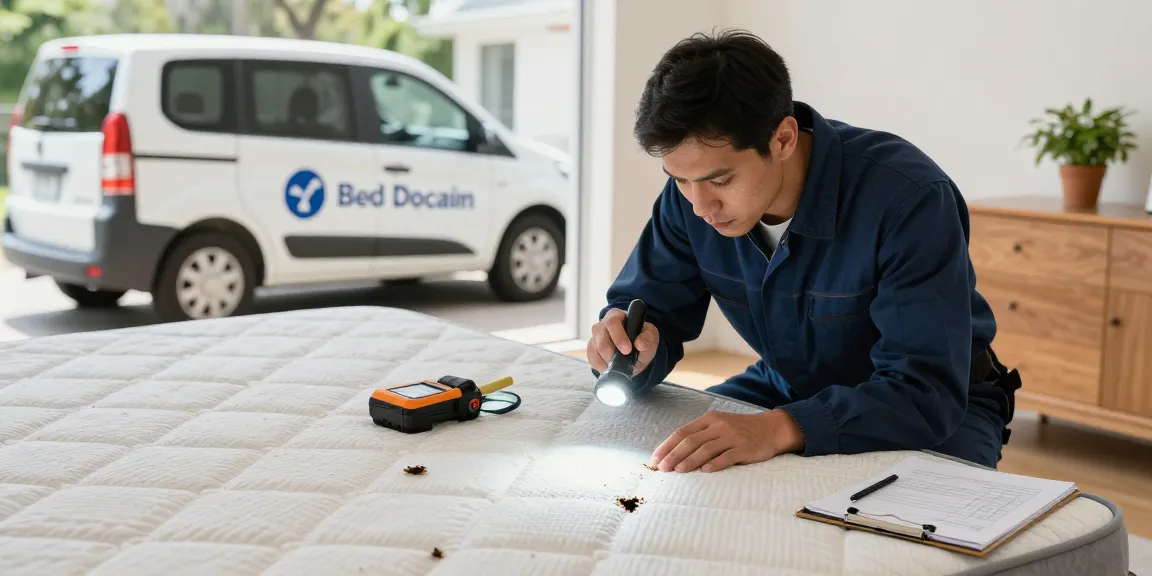
- Dark spots on bedding, which could be bed bug excrement.
- Shell casings from molted bed bug skins.
- Visible bed bugs themselves, often hidden in seams of mattresses, bed frames, and other nearby furniture.
Common Misconceptions About Bed Bugs
Many misconceptions surround bed bugs that can hinder effective treatment and prevention. For instance, a common myth is that bed bugs only infest dirty homes. In reality, these pests can thrive in clean and organized spaces as well, given that they have access to food sources.
Effective Treatment Methods by Bed Bug Exterminators
There are several treatment methods available for controlling and eliminating bed bug populations. The method chosen will depend on the severity of the infestation, budget, and personal preferences regarding chemicals and eco-friendly solutions.
Heat Treatment: The Eco-Friendly Approach
Heat treatment is widely regarded as one of the most effective ways to eliminate bed bugs, as it reaches temperatures that are lethal to all life stages of the pest, including eggs. This method involves raising the temperature of infested areas to around 120°F (49°C) for several hours. The eco-friendly nature of heat treatments makes them increasingly appealing to homeowners concerned about chemical exposure, especially in homes with children or pets.
Chemical Treatments: Pros and Cons
Chemical treatments can also be effective, often involving residual pesticides that remain active for an extended period. This long-term protection can be critical in preventing reinfestation. However, the use of chemicals can raise concerns about safety and environmental impact. Homeowners should weigh the benefits of immediate pest control against potential health risks associated with pesticide exposure, particularly for sensitive populations.
Combining Strategies for Maximum Efficacy
Many professionals recommend a combination of heat and chemical treatments to maximize effectiveness. This strategy can address immediate infestations while ensuring lasting protection against re-infestation. Consultation with a professional pest control service can help determine the best approach tailored to your specific situation.
Choosing the Right Bed Bug Exterminators
Selecting a competent pest control service is essential for successfully eliminating bed bugs. The right exterminator not only provides treatment but also guidance for preventing future infestations.
Key Qualities of Reliable Exterminators
When evaluating pest control services, consider the following qualities:
- Experience and specialization in bed bug treatments.
- Positive customer reviews and testimonials.
- Transparency in pricing and treatment processes.
- Use of proven methods, including both chemical and eco-friendly options.
Questions to Ask Before Hiring
Before committing to a pest control company, ensure you ask pertinent questions, such as:
- What treatments do you offer, and how effective are they?
- What kind of preparation is required on my part?
- Do you provide follow-up treatments or evaluations after the initial treatment?
The Importance of Customer Reviews and Ratings
Customer feedback can offer valuable insights into the effectiveness and reliability of a pest control service. Look for companies with high ratings and positive testimonials, and consider checking third-party review sites to avoid potential biases.
Preventing Future Infestations
Once bed bugs have been eliminated, implementing preventative measures is essential for avoiding future infestations. With vigilant monitoring and a proactive approach, homeowners can safeguard their spaces from these persistent pests.
Best Practices for Monitoring Your Home
Regular inspections of sleeping areas and common hiding spots can help catch any early signs of bed bug activity. Additionally, vacuuming frequently and using protective covers for mattresses and box springs can deter infestations.
Hygiene and Maintenance Tips
Maintaining cleanliness is crucial in preventing bed bugs. Regularly washing bedding and clothing in hot water can kill any potential pests. It’s also important to be cautious when bringing items into the home, particularly second-hand furniture or clothing.
Using K9 Inspections for Early Detection
Utilizing specially trained K9 units for inspections can enhance detection capabilities. These dogs can identify bed bugs by scent at a much earlier stage than traditional visual inspections, allowing for prompt treatment before infestations can spread.
Future Trends in Bed Bug Extermination (2026 and Beyond)
As the pest control industry evolves, several trends are emerging that could shape the future of bed bug extermination.
The Rise of Eco-Friendly Solutions
With a growing awareness of environmental issues, eco-friendly pest control methods are expected to gain popularity. Consumers are increasingly seeking solutions that minimize chemical use while still being effective.
Technological Innovations in Pest Control
Advances in technology are likely to play a vital role in pest control strategies. Innovations such as smart traps and monitoring systems could optimize detection and management efforts, making it easier for homeowners to stay one step ahead of infestations.
Shifts in Consumer Preferences and Expectations
As more consumers become educated about their options, expectations for pest control services will also evolve. Customers may demand more transparency, efficiency, and effectiveness in their treatments.
What Should You Do if You Suspect an Infestation?
If you begin to suspect an infestation, it’s important to act quickly. Notify your landlord if you rent, and contact a professional pest control service to schedule an inspection. Early detection is key to effective treatment.
How Can I Prepare for a Bed Bug Treatment?
Preparation for bed bug treatment can enhance the effectiveness of the chosen method. Homeowners may need to declutter living spaces, wash and seal bedding, and ensure pets are removed during the treatment process.
What Are the Costs of Professional Bed Bug Extermination?
The costs of extermination can vary widely based on the method chosen, the severity of the infestation, and the size of the treatment area. Typically, professional treatments can range from several hundred to over a thousand dollars. Understanding the investment involved can help in budget planning.
How Effective Are DIY Bed Bug Solutions?
While some DIY methods may provide temporary relief, they are often insufficient for complete extermination. Professional treatments utilize stronger, more effective products and methods that can ensure total eradication.
Can Bed Bugs Live in Furniture and Clothing?
Yes, bed bugs can easily infest furniture, clothing, and other belongings. They are adept at hiding, making it crucial to inspect and treat all areas where they may establish a presence.
What Should You Do When Traveling to Avoid Bringing Bed Bugs Home?
To minimize the risk of bringing bed bugs home after traveling, inspect hotel rooms for signs of infestation, keep luggage elevated, and wash all clothing upon returning. This precautionary approach can significantly reduce the chances of introducing bed bugs into your home.