
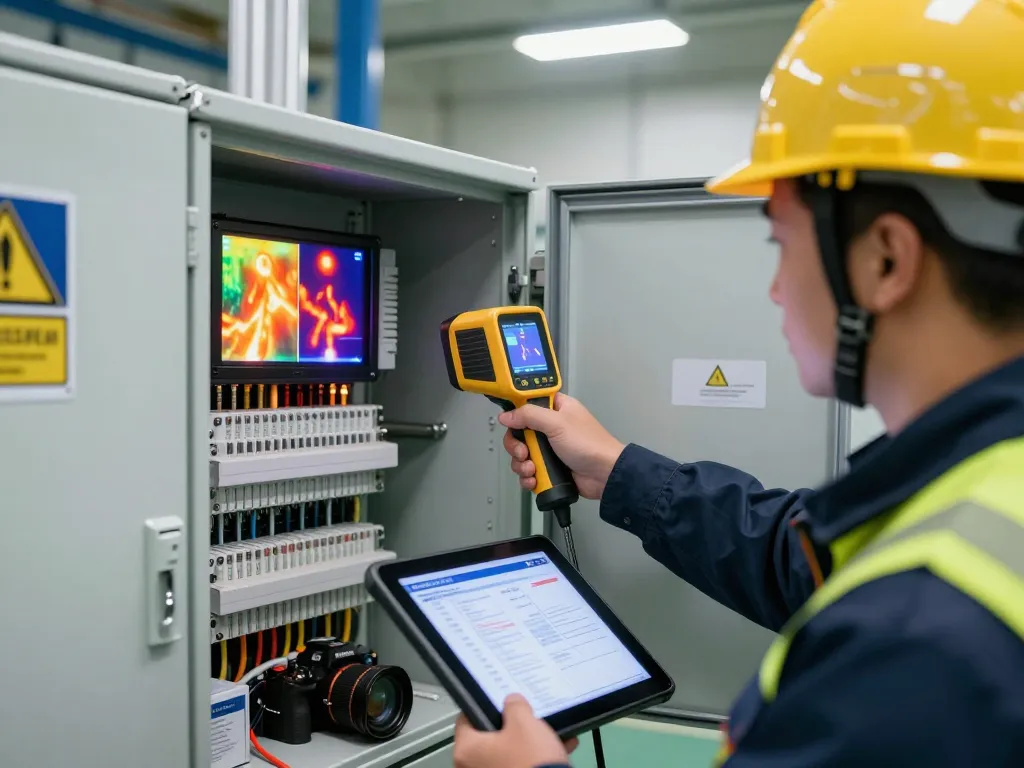
Understanding Thermal Cameras
Thermal cameras have revolutionized the way we diagnose and inspect various systems, from electrical panels to building structures. They operate by detecting infrared radiation emitted by objects, converting it into visual data that can reveal otherwise hidden issues. This technology is invaluable across numerous industries, enhancing maintenance, safety, and efficiency. For those exploring options, what is a thermal camera used for can provide comprehensive insights into its applications.
What is a Thermal Camera and How Does it Work?
A thermal camera, also known as an infrared camera, detects infrared radiation (heat) emitted by objects in its field of view. This camera works by using an infrared sensor that captures the thermal energy and converts it into an electronic signal, which is then processed to create a thermal image. The colors in this image represent different temperatures, allowing users to identify discrepancies in thermal energy that may indicate problems such as leaks, overheating, or insulation failures.
Key Features of the HANMATEK® Ti240 Thermal Camera
The HANMATEK® Ti240 thermal camera boasts impressive specifications tailored for both professionals and enthusiasts. With a resolution of 240 x 240 pixels, it provides clear thermal images, aided by a high thermal sensitivity of ≤60 mK that can reveal minute temperature differences. Its Thermal Image Super Resolution (TISR) technology ensures enhanced detail in thermal imaging, while the device’s 25 Hz refresh rate allows for smooth and immediate viewing of thermal data.
Common Misconceptions About Thermal Imaging
Despite its effectiveness, thermal imaging is often misunderstood. One common misconception is that thermal cameras can see through walls. In reality, thermal cameras detect surface temperatures. Another myth is that thermal imaging is only used for electrical inspections; it is, in fact, applicable in diverse fields such as HVAC, plumbing, and even wildlife observation. Educating users about what thermal cameras can and cannot do is critical for maximizing their utility.
Applications of Thermal Cameras
What is a Thermal Camera Used For in Electrical Inspections?
In electrical inspections, thermal cameras are invaluable in identifying hotspots and potential failures in electrical components. They help technicians visualize temperature variations which can signify overloaded circuits, failing connections, or improper installation. By allowing for non-invasive inspections, thermal cameras reduce downtime and safety risks associated with electrical maintenance.
Building Diagnostics: Identifying Insulation Issues
Thermal imaging is extensively used in building diagnostics, particularly for identifying insulation deficiencies and air leaks. By capturing heat signatures, inspectors can ascertain areas where heat loss occurs, guiding remediation efforts to improve energy efficiency. This technology plays a significant role in energy audits, allowing for quantifiable assessments of building performance.
Mechanical Applications: Monitoring Equipment Health
In mechanical applications, thermal cameras are essential for predictive maintenance. They enable engineers and technicians to monitor equipment health by identifying abnormal temperature patterns, which may indicate mechanical failures such as misalignments or lubrication issues. Using thermal cameras can lead to timely interventions, reducing the likelihood of costly breakdowns.
Benefits of Using Thermal Imaging Technology
Enhanced Safety in Industrial Environments
Thermal cameras significantly enhance safety in hazardous industrial environments. By identifying overheating equipment or poor electrical connections before they lead to failures or fires, these devices allow for preventive actions that can protect workers and equipment alike.
Cost Savings Through Preventative Maintenance
Investing in thermal imaging technology leads to considerable cost savings. Businesses can adopt a preventative maintenance approach, identifying issues early and reducing repair costs. This proactive stance minimizes unplanned downtime, optimizing productivity and operational efficiency.
Faster and More Accurate Inspections
The speed and accuracy with which thermal cameras operate make them an essential tool for inspectors. Traditional methods can be labor-intensive and time-consuming, whereas thermal imaging allows for quick assessments without the need for disassembly or invasive techniques. This efficiency is invaluable in tight schedules.
Choosing the Right Thermal Camera
Why the HANMATEK® Ti240 Stands Out?
The HANMATEK® Ti240 thermal camera distinguishes itself from competitors by offering a robust set of features at an attractive price point. Its enhanced resolution, user-friendly design, and durable build make it suitable for various applications, making it an ideal choice for both professionals and hobbyists alike.
Comparative Analysis with Other Models
When comparing the Ti240 to other thermal cameras, it becomes apparent that its features, such as the 2.4-inch backlit TFT display, multicolor palettes, and image recording capabilities, provide superior usability. Many competitors lack the same level of detail and ease of operation, making the Ti240 a more appealing option for users seeking high performance.
Key Considerations for Professional Users
Professionals should consider factors such as resolution, battery life, and the range of temperature measurement when selecting a thermal camera. Additionally, features like robust reporting capabilities and ease of use can affect the effectiveness of the tool in field applications, highlighting the importance of a well-rounded thermal camera like the HANMATEK Ti240.
Future Trends in Thermal Imaging
Developments in Thermal Camera Technology for 2026
The future of thermal camera technology looks promising, with advancements expected in sensor resolution, processing speed, and user interfaces. As technology evolves, we anticipate more compact devices with improved image quality and functionality, allowing for greater versatility in various inspection environments.
Emerging Use Cases Across Industries
Thermal cameras are making inroads into unconventional markets, expanding their utility beyond traditional sectors. For instance, the agricultural industry is adopting thermal imaging for crop health monitoring, while the healthcare industry utilizes the technology for patient diagnostics and monitoring.
Expert Predictions for Thermal Imaging Advancements
Experts predict that as understanding and technology improve, thermal cameras will become more integrated with IoT devices, enabling real-time monitoring and automation of systems. Enhanced data analytics capabilities will allow for smarter decision-making based on thermal imaging insights.
What is a thermal camera used for in home inspections?
In home inspections, thermal cameras help identify moisture intrusion, electrical faults, and insulation problems, providing a comprehensive overview of the property’s thermal integrity. This capability is crucial for homebuyers and inspectors to ensure the safety and efficiency of residential spaces.
Can thermal cameras detect water leaks?
Yes, thermal cameras can effectively detect water leaks by identifying temperature changes caused by moisture. This feature is particularly useful for locating hidden leaks behind walls or under floors without causing damage to the property.
How is thermal imaging beneficial for HVAC systems?
Thermal imaging is highly beneficial for HVAC system inspections, enabling technicians to identify air leaks, insulation problems, and component failures. By ensuring optimal performance of HVAC systems, thermal cameras contribute to energy savings and improved indoor comfort.
What is the operational life of thermal cameras like the Ti240?
The operational life of the HANMATEK® Ti240 is impressive, with a built-in 2000mAh rechargeable lithium battery that can last up to 9 hours on a single charge. This longevity ensures that users can complete their inspections without frequent interruptions for recharging.
Are thermal cameras suitable for amateur use?
Absolutely! The accessibility and user-friendly design of thermal cameras like the HANMATEK Ti240 make them suitable for amateur users. Whether for DIY projects or general home maintenance, these cameras provide valuable insights that can help any user understand their environment better.