
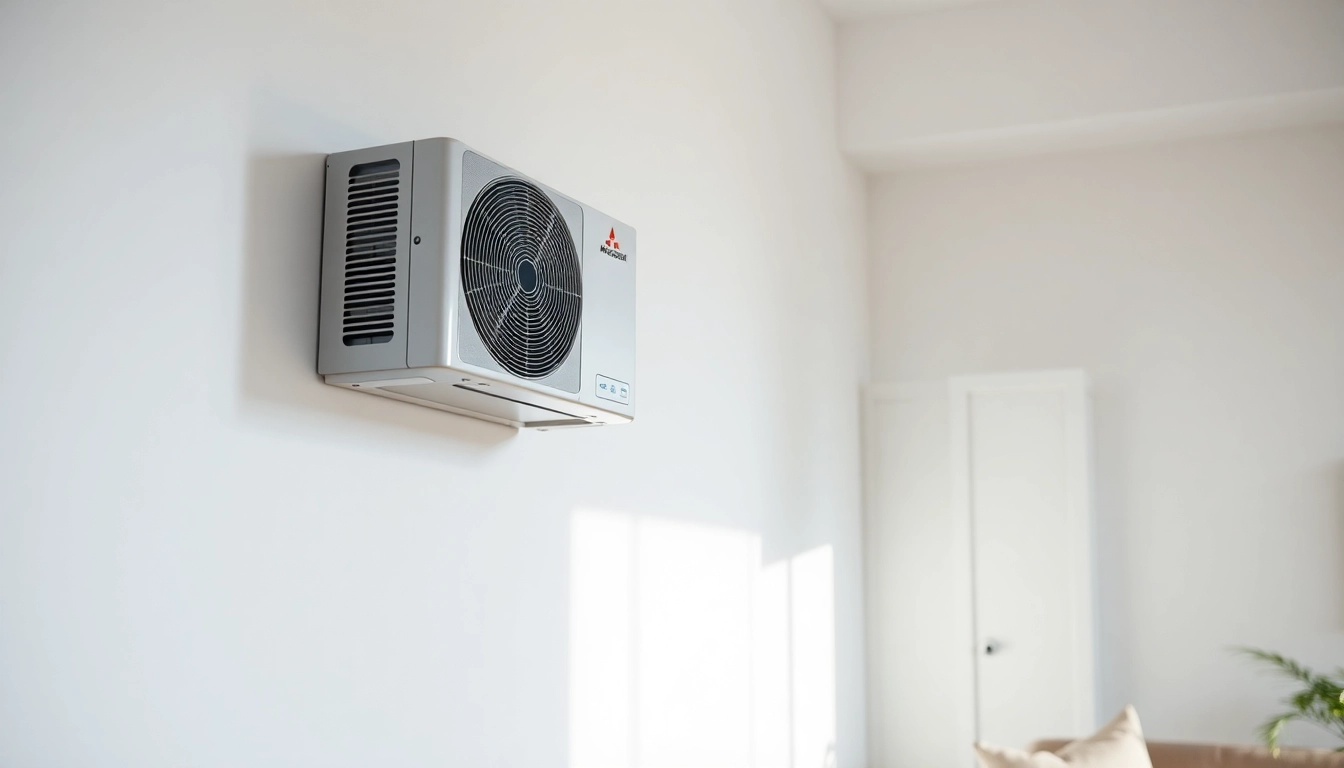
Understanding Mitsubishi Mini Split AC Systems
Mitsubishi mini split AC systems are renowned for their efficiency, flexibility, and effectiveness in providing comfort to various living spaces. As a preferred choice for homeowners and businesses, these systems deliver effective cooling and heating solutions tailored to individual needs. They are easy to install and offer an alternative to traditional ducted AC systems, appealing to those seeking optimal performance without extensive renovations. More details about these units can be found under mitsubishi mini split ac.
What is a Mitsubishi Mini Split AC?
A Mitsubishi mini split AC is a type of ductless air conditioning system that consists of two main components: an indoor unit and an outdoor compressor. This configuration allows for a wide range of installation options, making it perfect for spaces that lack ductwork. With innovative technology, these systems can efficiently provide both cooling and heating, making them suitable for year-round use. Their compact size allows for installation in tight spaces, such as attics or garages, without sacrificing performance.
Key Features and Benefits
Mitsubishi mini split AC systems come equipped with a variety of features that enhance their performance and usability:
- Energy Efficiency: Many models have high SEER (Seasonal Energy Efficiency Ratio) ratings, indicating lower energy consumption and cost savings.
- Flexible Design: Indoor units can be mounted on walls, ceilings, or floors, providing versatility in installation.
- Quiet Operation: Advanced technology minimizes noise levels, ensuring a peaceful environment.
- Zoning Capability: Multiple indoor units can be connected to a single outdoor unit, allowing different rooms to be set to different temperatures.
- Filtration Systems: Many models include advanced air filtration, improving indoor air quality by removing allergens and pollutants.
How it Compares to Traditional Systems
Compared to traditional AC systems, Mitsubishi mini split ACs offer several advantages:
- No Ducts Required: As ductless systems, they eliminate the energy loss associated with ductwork.
- Easy Installation: Installation is generally less invasive and quicker than traditional systems, which require extensive ductwork.
- Cost-Effective: With high energy efficiency, they often result in lower utility bills over time.
- Customizable Comfort: With individual temperature controls for different rooms, they enhance personal comfort.
Installation and Setup
Step-by-Step Installation Process
Installing a Mitsubishi mini split AC involves several key steps:
- Select Installation Site: Choose an appropriate location for the indoor and outdoor units, ensuring adequate airflow and proximity to electrical supply.
- Mount Indoor Unit: Securely install the indoor unit onto the wall or ceiling, following manufacturer’s guidelines for height and level.
- Install Outdoor Unit: Position the outdoor unit on a stable surface or platform, ensuring it is level and clear of obstructions.
- Connect Refrigerant Lines: Carefully route the refrigerant lines and other necessary cables between the indoor and outdoor units, ensuring proper insulation.
- Electrical Connections: Connect the wiring according to local codes, ensuring safety and compliance.
- Testing: Power on the system, check for leaks in the refrigerant lines, and ensure that the unit operates properly.
Common Installation Pitfalls
While installing a Mitsubishi mini split AC can be straightforward, several common pitfalls can arise:
- Improper Sizing: Choosing an incorrectly sized unit can lead to inefficiencies and inadequate cooling or heating.
- Poor Location Choices: Installing the indoor unit in a location with limited airflow can hinder performance.
- Inadequate Insulation: Failing to properly insulate the refrigerant lines can cause energy loss.
- Neglecting Local Codes: Not adhering to local installation codes can result in unsafe conditions.
Essential Tools and Equipment Needed
To successfully install a Mitsubishi mini split AC, you will need the following tools and equipment:
- Drill and drill bits
- Level
- Pipe cutter
- Refrigerant line insulation
- Vacuum pump
- Wrench set
- Wire stripper
- Installation manual
Energy Efficiency of Mitsubishi Mini Split ACs
SEER Ratings Explained
SEER, or Seasonal Energy Efficiency Ratio, is a measurement of an air conditioner’s cooling efficiency during a typical cooling season. A higher SEER rating indicates greater energy efficiency. Mitsubishi mini split AC systems generally boast higher SEER ratings compared to traditional units, often exceeding 20, which translates to significant energy savings over time.
How to Optimize Energy Use
To make the most of your Mitsubishi mini split AC’s energy efficiency, consider the following tips:
- Regular Maintenance: Keep filters clean and conduct annual inspections to ensure peak performance.
- Smart Thermostat: Program the system to run less when you are away or asleep, maximizing energy savings.
- Utilize Zoning: Only cool or heat rooms that are used frequently.
- Seal Air Leaks: Ensure windows and doors are properly sealed to prevent cool air from escaping.
Tax Credits and Incentives
Many states offer tax credits and rebates for installing energy-efficient systems. Homeowners should check local programs that reward the installation of high-efficiency Mitsubishi mini split AC systems, which can help offset the initial investment and promote long-term savings.
Maintenance Tips for Longevity
Routine Care and Checks
Regular maintenance is essential for keeping your Mitsubishi mini split AC running smoothly. Follow these routine care tips:
- Clean or replace air filters every one to three months.
- Inspect drain lines periodically to ensure they are clear and functioning.
- Keep the outdoor unit free of debris and dirt.
- Check electrical connections during annual maintenance.
When to Call a Professional
Some maintenance tasks require professional expertise. It’s advisable to call a technician when:
- The system exhibits unusual noises or vibrations.
- You notice refrigerant leaks or major drops in performance.
- Electrical issues arise, such as frequent tripping of circuits.
- The unit does not cool effectively despite regular maintenance.
Signs Your System Needs Service
Be alert to the following signs that indicate your Mitsubishi mini split AC may require servicing:
- Inconsistent temperatures between zones.
- Unpleasant odors emanating from the unit.
- Unusual sounds when the system is running.
- Increased energy bills without a corresponding change in usage.
Frequently Asked Questions about Mitsubishi Mini Split AC
What is the average lifespan of a Mitsubishi mini split AC?
The average lifespan of a Mitsubishi mini split AC is around 15 to 20 years with proper maintenance.
Can Mitsubishi mini split ACs be used for heating?
Yes, Mitsubishi mini split ACs can efficiently provide heating in addition to cooling, making them versatile year-round units.
How do I know what size unit I need?
To determine the right size, consider the square footage of the space and local climate factors. An HVAC professional can provide a precise assessment.
Are Mitsubishi mini split ACs noisy?
Mitsubishi mini split ACs are designed for quiet operation, with indoor units typically producing sound levels as low as 19 dB.
What maintenance is required for these systems?
Maintenance includes cleaning or replacing filters, inspecting the outdoor unit, checking refrigerant levels, and monitoring electrical connections.