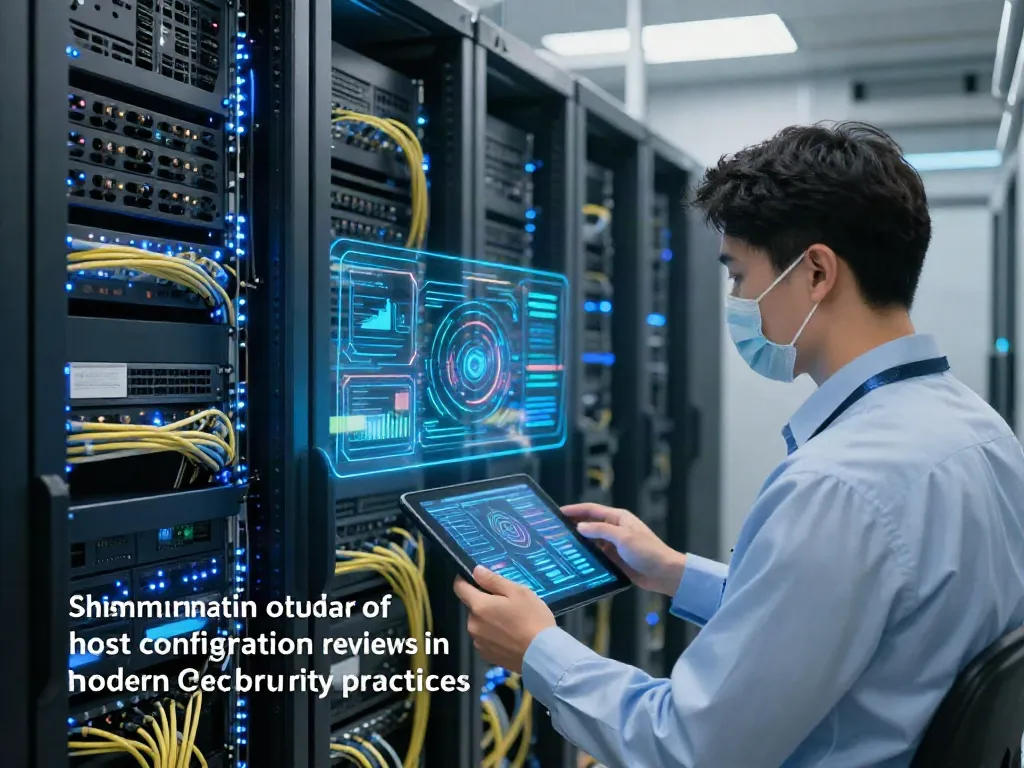
Understanding Host Configuration Reviews
In the realm of cybersecurity, ensuring that systems are configured securely is paramount. A host configuration review is a structured security assessment that scrutinizes the operating system settings on servers and network devices. This proactive measure not only identifies potential weaknesses but also mitigates risks stemming from misconfigurations that may leave systems vulnerably exposed. When exploring options, host configuration review services can be crucial in aligning your organization’s security posture with industry standards.
Definition and Importance of Configuration Reviews
A configuration review is essential for assessing how security settings are structured within an organization’s IT infrastructure. Over time, systems accumulate changes due to various operational adjustments, software updates, or legacy configurations that may no longer adhere to security best practices. Regular configuration reviews are vital in identifying these discrepancies, ensuring that the configurations not only match the intended security policy but also adhere to recognized standards such as the CIS Benchmarks.
How Host Configuration Reviews Differ from Vulnerability Assessments
While both configuration reviews and vulnerability assessments are integral components of a comprehensive security strategy, they address different aspects of security integrity. Vulnerability assessments focus on identifying and ranking exploitable weaknesses within an environment, providing an external view of possible exploitation scenarios. In contrast, host configuration reviews examine actual configurations against established hardening guidelines to determine if they allow unnecessary exposure or if they deviate from principles of least privilege. This fundamental difference underscores the importance of having both processes as part of a robust security framework.
Key Elements of a Host Configuration Review
- Configuration State Analysis: This involves examining the current state of system configurations to identify discrepancies from established baselines.
- Compliance Check: Ensuring that configurations comply with recognized standards and best practices.
- Documentation and Reporting: Generating detailed reports that highlight areas of concern, recommended adjustments, and the rationale behind each recommendation.
- Stakeholder Engagement: Involving system and network owners in the review process for validation of findings and developing remediation strategies.
Best Practices for Host Configuration Reviews
Aligning Configuration Settings with Security Standards
Aligning configurations with industry-recognized security standards is essential to minimize the risk of breaches. Utilizing frameworks such as the CIS Benchmarks provides a baseline for securing operating systems, network devices, and applications. These standards are continually updated to reflect evolving threats, making them a reliable resource for organizations aiming to fortify their defenses.
Utilizing Automation Tools for Efficiency and Accuracy
With the increasing complexity of IT environments, leveraging automation tools for configuration reviews can streamline processes and enhance accuracy. Tools that automate configuration checks against benchmarks can significantly reduce the time necessary to assess compliance and can help identify misconfigurations more quickly than manual methods alone. Examples of these tools include Chef InSpec and OpenSCAP.
Incorporating Manual Validation in Reviews
Despite the advantages of automation, manual validation remains a critical aspect of host configuration reviews. Automated tools may miss nuances in specific environments or unique configurations that could pose security risks. Engaging knowledgeable security professionals to perform manual checks ensures a comprehensive review, as they can leverage their substantial experience to identify potential vulnerabilities that an automated solution might overlook.
The Role of CREST Accreditation
What CREST Accreditation Means for Security Services
CREST accreditation signifies that an organization adheres to the highest standards of cybersecurity practices. Engaging a CREST-accredited team for host configuration reviews ensures that assessments are conducted by qualified professionals who maintain rigorous operational practices. This accreditation helps clients to trust that the findings and recommendations provided come from an organization capable of delivering robust security solutions.
How CREST Standards Enhance Review Outcomes
By following CREST’s standards during host configuration reviews, organizations benefit from enhanced reliability and thoroughness in their security evaluations. The standards are crafted to ensure that consultants employ systematic methodologies that lead to accurate assessments, thereby reducing the chances of oversight that could lead to exploitable misconfigurations.
Importance of Certified Consultants in Configuration Reviews
Utilizing certified consultants, such as those holding Offensive Security Certified Professional (OSCP) or CREST Registered Penetration Tester (CRT) qualifications, enhances the effectiveness of configuration reviews. These experts possess a deep understanding of security principles and practical experience that allows them to identify and evaluate configurations against a backdrop of holistic threat landscapes. Their insights not only improve the quality of findings but also bolster the strategic understanding of organizations as they work to mitigate risks.
Addressing Common Misconfigurations
Over-Permissive Firewall Rules and IAM Assignments
One of the most significant risks in network security arises from over-permissive firewall rules and Identity and Access Management (IAM) assignments. A common misconfiguration is an excessively broad allocation of permissions—these can often lead to vulnerabilities that attackers can exploit. Regular reviews allow organizations to tighten these access controls, implementing least privilege principles that ensure users and applications have only the permissions necessary for their function.
Identifying and Mitigating Control Plane Weaknesses
The control plane of cloud environments—a critical interface for managing resources—can harbor weaknesses not evident from external assessments. A detailed host configuration review focuses on identifying misconfigurations within this layer, such as incorrect IAM roles or shared credentials, which may not be overtly apparent but create significant security risks. Mitigating these weaknesses involves establishing stringent policies about who can make changes within the control plane and regularly reviewing those settings.
Correcting Configuration Drift in Live Environments
Configuration drift occurs when the live environment diverges from established secure configurations due to incremental changes over time. This phenomenon can create openings for vulnerabilities. Implementing configuration management tools, such as Terraform or Ansible, can help manage and revert drift effectively, ensuring that configurations remain consistent with compliance objectives. Regular audits and reviews are also essential to identify deviations and enforce corrective measures.
Future Trends in Host Configuration Review Services
AI and Automation in Cybersecurity Reviews
The advent of artificial intelligence (AI) is set to transform configuration reviews significantly. AI-driven tools are being developed to analyze vast amounts of configuration data, identifying patterns and anomalies faster than traditional methods. These advancements will allow security teams to proactively manage configurations and respond swiftly to emerging threats.
Emerging Standards and Best Practices
As the cybersecurity landscape evolves, so too do the standards and best practices for host configuration reviews. Continuous monitoring and integration of configurations into development pipelines (DevSecOps) will be essential for maintaining compliance and security posture. Organizations are increasingly adopting frameworks such as NIST’s Cybersecurity Framework (CSF) or ISO/IEC 27001 to enhance their security strategies.
The Impact of Cloud Technologies on Configuration Practices
As organizations migrate to cloud environments, they face unique challenges associated with configuration management. Cloud technologies necessitate new strategies for configuration reviews, focusing on control plane security, service configurations, and compliance with vendor-specific best practices. With multi-cloud strategies becoming common, reviews must account for the nuances and security postures associated with different cloud providers.
FAQs About Host Configuration Reviews
What is the primary goal of a host configuration review?
The primary goal of a host configuration review is to assess the security settings of systems to ensure they align with industry standards and best practices, identifying any misconfigurations that could lead to vulnerabilities.
How often should organizations conduct configuration reviews?
Organizations should conduct configuration reviews regularly, ideally at scheduled intervals such as quarterly or biannually. Additionally, reviews should be performed after significant changes to the infrastructure or applications to capture any potential security issues introduced by those changes.
What are the differences between a host configuration review and a cloud configuration review?
A host configuration review focuses on the security settings of operating systems and devices within an organization's IT environment, while a cloud configuration review assesses the configuration of cloud resources and services, ensuring compliance and security within the cloud-specific context.