
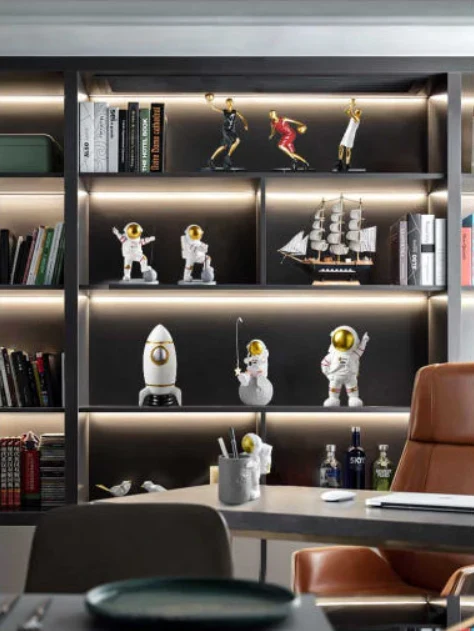
A beautiful home is not defined by expensive furniture or the latest design trends. Often, it is the smallest details that make the biggest impression. A carefully selected ornament, an elegant statue, or a charming figurine can completely change the atmosphere of a room. These decorative pieces introduce personality, create visual interest, and turn ordinary living spaces into places that feel genuinely special.
Whether you prefer contemporary minimalism, traditional elegance, or an eclectic combination of styles, thoughtful home decor can help you create an interior that reflects your individual taste.
Why Decorative Ornaments Matter in Interior Design
Every room tells a story. Furniture establishes its structure, colors influence its mood, and lighting determines how welcoming it feels. However, decorative accessories bring these elements together.
An ornament is more than an attractive object placed on a shelf. It can become a focal point, complement existing furniture, or introduce a subtle contrast that makes the entire space more interesting.
Consider a living room featuring neutral furniture, wooden flooring, and soft lighting. Adding a sculptural statue in a contrasting finish immediately creates a point of interest. Similarly, a delicate ceramic figurine positioned on a side table can introduce warmth without overwhelming the surrounding design.
The secret lies in choosing decorations that feel intentional rather than simply filling empty spaces.
Choosing the Perfect Ornament for Every Room
Different rooms serve different purposes, and their decorative elements should reflect those functions.
Living Room: Create a Memorable First Impression
The living room is often the heart of the home. It is where families relax, guests gather, and personal style becomes most visible.
A decorative statue can serve as a centerpiece on a coffee table, while smaller ornaments arranged on bookshelves create visual balance.
For modern interiors, geometric sculptures and abstract decorative objects offer a sophisticated appearance. Traditional spaces may benefit from detailed figurines, classical designs, or ornamental pieces featuring intricate craftsmanship.
Mixing materials such as ceramic, metal, glass, and wood can also add depth to the overall interior.
Bedroom: Add Personality Without Creating Clutter
Bedrooms should feel comfortable, peaceful, and personal. Decorative accessories can contribute to this atmosphere when selected carefully.
A small figurine on a bedside table, an elegant ornament on a dresser, or a decorative sculpture near a window can make the room feel complete.
Soft colors, natural materials, and rounded shapes often work particularly well in bedrooms because they create a sense of calm.
Rather than displaying numerous accessories, consider selecting two or three meaningful pieces that complement the room's existing colors and textures.
Hallway: Make Every Entrance More Inviting
Hallways are frequently overlooked when planning home decor, yet they create the first impression visitors experience.
A carefully positioned ornament on a console table can instantly make an entrance more welcoming. Decorative statues, sculptural objects, and artistic figurines are particularly effective when combined with mirrors or attractive lighting.
Even a narrow hallway can benefit from a small decorative arrangement that introduces character without taking up valuable space.
Statues and Figurines: Small Objects With Strong Visual Impact
Although the terms are sometimes used interchangeably, statues and figurines can serve slightly different decorative purposes.
A statue is generally a sculptural representation of a person, animal, abstract form, or symbolic subject. Statues can range from small tabletop objects to substantial statement pieces.
A figurine is typically smaller and often features detailed representations of people, animals, or imaginative characters.
Both can contribute significantly to an interior's personality.
For example, an abstract sculpture can enhance a modern office, while an animal figurine might bring a playful touch to a family living room. A classical statue can introduce timeless elegance, particularly when displayed against simple furniture and neutral walls.
The best choice depends on the atmosphere you want to create.
Combining Modern and Traditional Home Decor
One of the most interesting developments in interior styling is the growing popularity of mixing decorative styles.
A contemporary room does not necessarily require exclusively modern accessories. In fact, combining different periods and materials can produce a more distinctive result.
Imagine a minimalist wooden shelf displaying a traditional ceramic ornament beside a contemporary metal sculpture. The contrast between these pieces creates visual tension and makes the arrangement more memorable.
The same principle applies to colors and finishes.
A gold-colored decorative statue can introduce warmth into a predominantly gray room. A white ceramic figurine can provide contrast against dark wooden furniture. Meanwhile, natural stone ornaments complement interiors inspired by organic materials.
The key is maintaining a consistent visual connection through color, shape, texture, or theme.
How to Arrange Decorative Objects Like an Interior Designer
Choosing beautiful decorations is only part of the process. Their placement determines how effectively they contribute to the room.
Professional interior stylists frequently use a few simple principles when arranging decorative accessories.
• Vary the height: Combine taller sculptures with smaller ornaments to create a more dynamic composition.
• Use odd-numbered groupings: Arrangements of three or five objects often appear more natural than perfectly symmetrical displays.
• Leave breathing space: Avoid covering every available surface. Empty space helps individual decorative pieces stand out.
• Mix textures: Combine smooth ceramic objects with rough stone, polished metal, or natural wood.
• Consider lighting: Position decorative objects where natural or artificial light can highlight their shapes and details.
For instance, a tall statue positioned beside two smaller decorative objects can create an attractive display on a sideboard. Adding a small lamp nearby may further emphasize the composition.
These techniques work in both large homes and compact apartments.
Finding Decorative Pieces That Reflect Your Personality
A well-designed interior should never feel like a showroom without personality. The most memorable homes include objects that reflect the interests, experiences, and preferences of the people who live there.
Some homeowners enjoy animal-inspired figurines. Others prefer abstract sculptures, artistic ornaments, or decorative pieces influenced by different cultures.
At Kings Store Worldwide, shoppers looking to explore decorative accessories can consider how different ornaments, statues, and figurines might complement their personal approach to home styling.
When selecting a new decorative piece, ask yourself three questions:
Does it complement the room's existing design? Does it introduce something visually interesting? And, most importantly, do I genuinely enjoy looking at it?
If the answer to all three questions is yes, the decoration is likely to become a valued part of your home.
Frequently Asked Questions About Ornaments and Home Decoration
What is the difference between an ornament and a figurine?
An ornament is a broad term describing an object used primarily for decoration. A figurine is a small sculptural representation, usually depicting a person, animal, or character. Figurines can therefore be considered a specific type of decorative ornament.
Where should decorative statues be placed?
Decorative statues can be displayed on bookshelves, coffee tables, console tables, sideboards, and dedicated display stands. The ideal position depends on the statue's size, material, and visual importance within the room.
How many ornaments should I display in one room?
There is no universal number. Smaller rooms often benefit from a limited selection of carefully chosen decorations, while larger spaces can accommodate more elaborate arrangements. Visual balance matters more than quantity.
Can decorative figurines work in modern interiors?
Absolutely. A carefully selected figurine can introduce contrast, personality, or artistic interest into a contemporary room. Simple shapes, neutral colors, and thoughtful placement help traditional objects blend with modern furniture.
What makes an ornament suitable for a gift?
An attractive ornament can make a thoughtful gift when it reflects the recipient's interests, preferred colors, or decorating style. Animal figurines, artistic sculptures, and distinctive decorative objects are popular choices for birthdays, housewarmings, and special occasions.
Create a Home That Feels Uniquely Yours
Beautiful home decor is ultimately about creating an environment where you feel comfortable and inspired. While furniture and architectural details establish the foundation of a room, ornaments and decorative accessories provide the finishing touches that make it personal.
A single statue can transform an empty corner. A charming figurine can bring warmth to a bookshelf. An artistic ornament can become a conversation starter that visitors remember long after leaving.
You do not need to redesign your entire home to achieve a noticeable difference. Sometimes, one carefully chosen decorative object is enough.
Explore different shapes, materials, colors, and artistic styles. Experiment with placement and discover combinations that express your personality.
Because the most beautiful interior is not necessarily the one filled with the most expensive objects. It is the one where every detail feels like it belongs.