Understanding Lower Back Pain
Lower back pain is a common ailment affecting millions of people worldwide. It can range from a dull, constant ache to a sudden, sharp pain that makes normal movement difficult. Understanding the intricacies of lower back pain is crucial for effective management and treatment. Various factors can contribute to this condition, from lifestyle choices to underlying medical issues. In the discussions below, we delve deeper into the common causes, signs and symptoms, and the lifestyle impacts associated with lower back pain.
Common Causes of Lower Back Pain
Lower back pain can result from numerous factors, which may be mechanical, pathological, or related to lifestyle. Common causes include: 1. Muscle or Ligament Strain: Lifting heavy objects or making abrupt movements can strain back muscles or ligaments. 2. Bulging or Ruptured Discs: Discs act as cushions between the vertebrae in your spine. If these discs bulge or rupture, they can press on nerves, leading to pain. 3. Arthritis: Osteoarthritis can affect the lower back and lead to lower back pain, especially in older adults. 4. Skeletal Irregularities: Conditions like scoliosis can result in curvature of the spine, resulting in back pain. 5. Osteoporosis: This condition causes bones to become porous and brittle, making them susceptible to fractures. Understanding these causes can help in initiating appropriate treatment strategies, including lower back pain treatment options that address the underlying issues.
Signs and Symptoms of Lower Back Pain
Symptoms of lower back pain can vary widely from person to person and can manifest in several ways: - Localized Pain: This is a dominant symptom, often felt across the lower back region. - Radiating Pain: Pain may extend to the legs or other body parts. This is commonly associated with nerve irritation or damage. - Stiffness: Many people experience stiffness in the back or in related areas, especially after prolonged sitting or inactivity. - Muscle Spasms: Involuntary contractions of the back muscles can cause significant discomfort. Recognizing these signs can help to differentiate between common back pain and conditions that may require more aggressive intervention.
Impact of Lifestyle on Lower Back Pain
Lifestyle choices significantly influence the onset and severity of lower back pain. Factors including poor posture, sedentary habits, or lack of physical activity contribute greatly to this condition. Here are some critical lifestyle aspects: 1. Sedentarism: Prolonged periods of inactivity can lead to weakening of back muscles and increase vulnerability to injuries. 2. Poor Posture: Consistently slumping or adopting incorrect postures—especially while working—can exert undue stress on the lower back, leading to pain. 3. Obesity: Excess weight can contribute to the strain on the lower back. Each extra pound translates into more stress on the spine. Incorporating lifestyle changes can not only alleviate pain but also reduce its recurrence.
Conventional Approaches to Lower Back Pain Treatment
When it comes to treating lower back pain, conventional approaches often provide effective relief to many individuals. This section will explore the most common treatment modalities that are recommended.
Medications and Their Roles
Medications play a crucial role in managing lower back pain. They can help reduce inflammation, alleviate pain, and improve functionality. Common categories include: - Nonsteroidal Anti-Inflammatory Drugs (NSAIDs): Medications such as ibuprofen and naproxen are often effective at managing pain and inflammation. - Analgesics: Acetaminophen may help alleviate pain without addressing inflammation directly. - Muscle Relaxants: These can be beneficial in reducing muscle spasms, which frequently accompany back pain. While medications can provide significant relief, they should be used judiciously and often in conjunction with other treatment methods.
Physical Therapy Techniques
Physical therapy is an integral part of treating lower back pain and involves a structured approach to recovery. Key techniques deployed by therapists include: - Stretching Exercises: These enhance flexibility and help reduce muscle tension. - Strengthening Exercises: Targeted exercises can fortify the muscles supporting the back, significantly reducing the risk of future pain episodes. - Manual Therapy: Hands-on techniques can be used to alleviate pain and enhance mobility. - Patient Education: Therapists often instruct patients on proper body mechanics and ergonomic adjustments. Committing to a physical therapy program can yield significant long-term benefits, leading to improved back health.
Chiropractic Care for Lower Back Pain
Chiropractic care focuses on diagnosing and treating mechanical disorders of the musculoskeletal system, primarily spinal disorders. A chiropractor may use: - Spinal Manipulation: Adjusting misaligned vertebrae can alleviate pain and improve function. - Soft Tissue Therapy: Techniques such as massage may be employed to relax tense muscles. - Lifestyle Advice: Chiropractors often provide guidance on posture and ergonomic setups to prevent future discomfort. Many individuals successfully integrate chiropractic care alongside conventional medicine, emphasizing a comprehensive approach to management.
Alternative Therapies for Lower Back Pain Treatment
In addition to conventional approaches, various alternative therapies may provide benefits for individuals experiencing lower back pain. These methods often focus on holistic health and wellness.
Acupuncture and its Benefits
Acupuncture involves inserting thin needles into specific points on the body to promote healing and alleviate pain. Studies indicate the following benefits: - Pain Reduction: Acupuncture can enhance the body's pain tolerance and relieve lower back pain effectively. - Improved Blood Flow: This therapy can also enhance circulation, promoting healing. - Stress Relief: Acupuncture may help reduce stress that can compound pain experiences. For many, acupuncture serves as a valuable adjunct to their traditional treatment regimen.
Yoga and Stretching Exercises
Practicing yoga is an effective way to cultivate both flexibility and strength while offering relaxation techniques that may help manage pain more effectively: - Flexibility: Various poses can promote spinal flexibility, significantly reducing tension in the lower back. - Mind-Body Connection: Engaging in yoga cultivates mindfulness, which may help individuals manage pain perceptions better. - Strengthening Core Muscles: A robust core can support the spine more effectively, reducing stress and pain. Incorporating yoga into a daily routine may provide long-term benefits for back health.
Massage Therapy Effectiveness
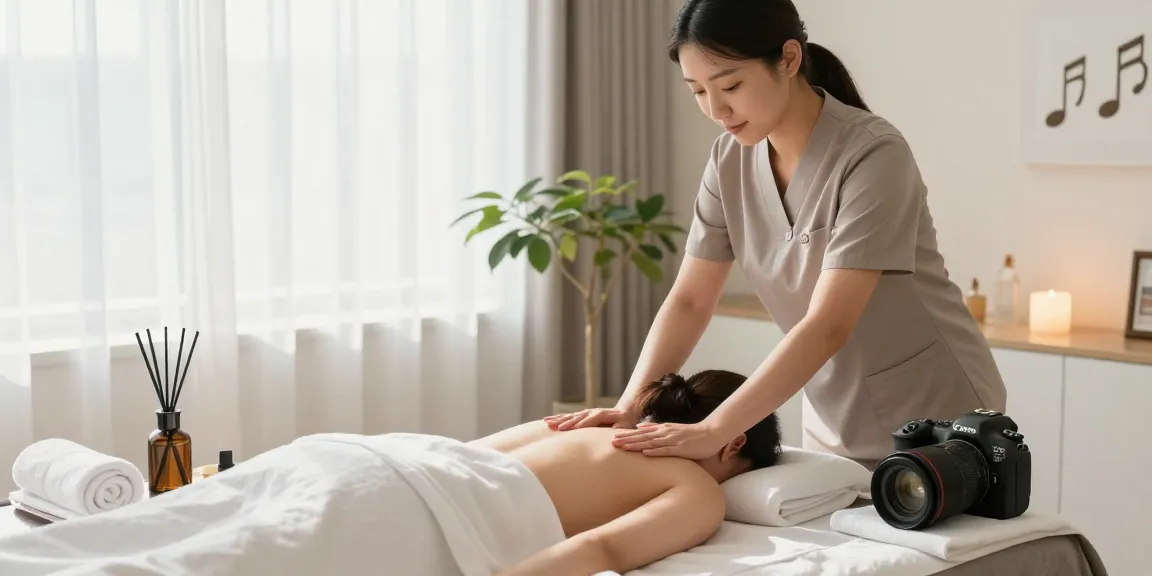
Massage therapy is often utilized as part of a comprehensive treatment plan for lower back pain. The benefits include: - Muscle Relaxation: Targeted massage can help alleviate muscle tension and pain. - Improved Circulation: Enhanced blood flow can facilitate healing processes. - Mental Well-Being: The calming effects of massage can improve overall emotional health, mitigating pain perceptions. Finding a qualified massage therapist can optimize the therapeutic experience and lead to significant improvements.
Preventive Measures for Lower Back Pain
Preventing lower back pain is an effective strategy that can contribute to lasting health and comfort. This section outlines proactive measures that individuals can take to reduce the risk of developing back pain.
Ergonomics at Work and Home
Proper ergonomic design at work and home is essential to prevent strain and injury. Considerations include: - Chair and Desk Height: Your chair should be adjustable so that your feet rest flat on the floor, and your work surface should be at elbow height to avoid strain. - Monitor Position: Computer screens should be at eye level to prevent leaning forward. - Movement Breaks: Regularly scheduled breaks can prevent prolonged postures that may lead to discomfort. Implementing ergonomic principles can greatly mitigate the risk of lower back pain in daily life.
Importance of Regular Exercise
Engaging in regular physical activity can help strengthen the muscles that support the spine, reduce obesity, and decrease the likelihood of low back injury: - Aerobic Activities: Engaging in low-impact cardiovascular exercises like swimming or walking can improve aerobic fitness without stressing the back. - Strength and Flexibility Exercises: Incorporating strength training for core muscles and flexibility exercises can enhance musculoskeletal health. Creating a well-rounded exercise regimen can serve as a critical component in preventing lower back pain.
Maintaining a Healthy Weight
Obesity can exacerbate lower back pain by increasing stress on the spine. Steps to maintain a healthy weight include: - Balanced Diet: Incorporating fruits, vegetables, whole grains, and lean proteins can aid in weight management. - Regular Activity: Combining nutrition with physical activity creates a foundation for weight control and overall well-being. - Mindful Eating: Being cautious about portion sizes and food choices can influence weight and health positively. Aiming for a healthy weight can not only assist with lower back pain prevention but improve overall wellness.
When to Seek Medical Attention for Lower Back Pain
Identifying when professional help is necessary can be a crucial aspect of managing lower back pain.
Signs that Require Medical Evaluation
Certain indicators suggest the need for immediate medical attention: - Persistent Pain: If pain lasts longer than a few weeks without improvement. - Severe Discomfort: Sudden, severe pain that disrupts daily activities or sleep. - Leg Weakness or Numbness: If pain radiates down the leg, accompanied by weakness or numbness. - Unexplained Weight Loss: This can be a sign of a more serious condition requiring investigation. Recognizing these signs empowers individuals to seek timely medical support, thereby preventing complications.
Potential Diagnostic Procedures
If a healthcare provider determines that further evaluation is necessary, they may recommend several diagnostic procedures: - X-rays: To rule out fractures or structural issues in the spine or joints. - MRI or CT Scans: These imaging modalities can provide detailed images of soft tissues, including discs and nerves. - Blood Tests: May be indicated in cases where an underlying infection or disease is suspected. Diagnostic clarity can lead to more effective treatments and resolution of symptoms.
Overview of Surgical Options
In cases where conservative treatments fail, surgical options may be considered. Surgical procedures could involve: - Discectomy: Removal of herniated disc material that is compressing nerves. - Laminectomy: Removes a portion of the vertebra to relieve nerve pressure. - Spinal Fusion: Connecting two or more vertebrae to stabilize the spine may be necessary in certain cases. Surgery is usually considered a last resort, reserved for instances where conservative management methods have not provided relief.
FAQs
What are the most effective lower back pain treatment options?
Effective treatments include physical therapy, medication, and alternative therapies like acupuncture and yoga.
Can poor posture cause lower back pain?
Yes, poor posture can significantly contribute to lower back pain by putting undue strain on muscles and ligaments.
How long does it take to recover from lower back pain?
Recovery can vary; many individuals see improvement in weeks, while chronic issues may require ongoing management.
Are there lifestyle changes that can help with lower back pain?
Regular exercise, maintaining a healthy weight, and ergonomic adjustments can significantly alleviate lower back pain.
When should I see a doctor for lower back pain?
Consult a doctor if pain persists beyond a few weeks, is severe, or is associated with other concerning symptoms.