
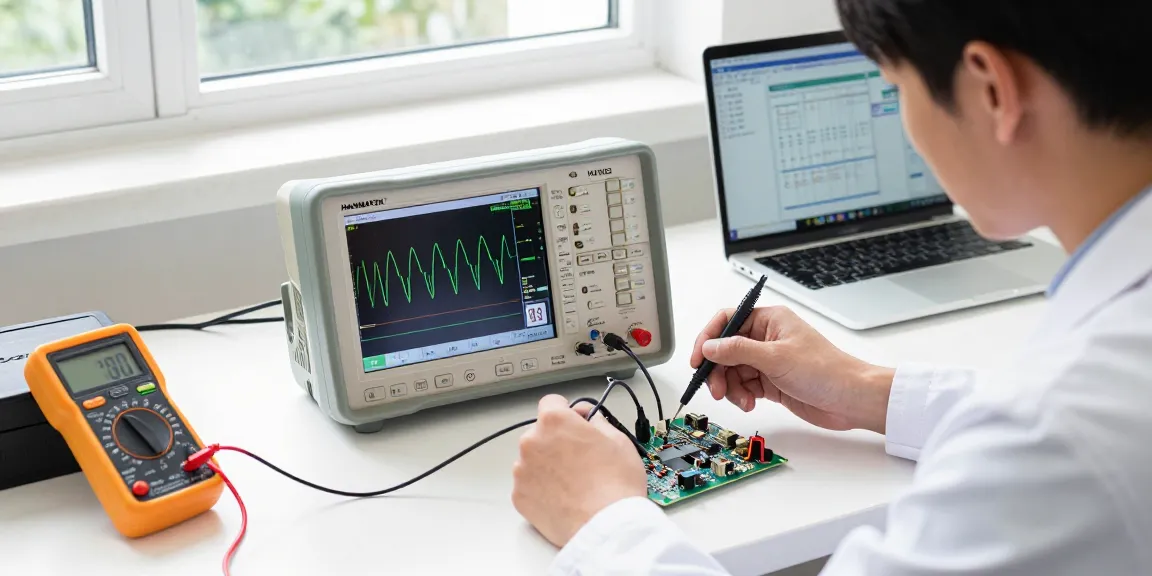
Understanding the HANMATEK® HO102S Handheld Oscilloscope
The HANMATEK® HO102S 3-in-1 handheld oscilloscope is revolutionising the way professionals and hobbyists approach electronics diagnostics. This innovative device combines an oscilloscope, multimeter, and memory function into a single, portable unit, streamlining your toolkit while enhancing functionality. As the demand for efficiency and versatility increases, understanding how to leverage tools like the Handheld Oscilloscope, Portable oscilloscope becomes essential in ensuring quality work across various fields.
What is a Handheld Oscilloscope?
A handheld oscilloscope is a compact, portable device designed to capture and display electrical waveforms. Unlike traditional oscilloscopes, which are often bulkier and intended for stationary workstations, handheld oscilloscopes like the HO102S offer the flexibility to perform diagnostics wherever necessary. This device is particularly beneficial for technicians who conduct fieldwork, as it allows immediate analysis and troubleshooting without being tethered to a workspace.
Key Features of the HANMATEK® HO102S
- Bandwidth: With a bandwidth of 100 MHz, the HO102S supports a wide array of electronic signals, making it suitable for various applications.
- Sampling Rate: It boasts a high sampling rate of 250 MSa/s, ensuring accurate waveform representation.
- Multi-functionality: The device integrates three key functions: oscilloscope, multimeter, and memory storage, which simplifies the diagnostic process.
- Portability: This handheld model is lightweight and battery-powered, enabling easy transport and use in diverse environments.
- User-Friendly Interface: A 3.5” TFT backlit display ensures clear visibility, while intuitive controls facilitate easy navigation through settings.
Comparative Benefits of a Portable Oscilloscope
Portable oscilloscopes like the HO102S are increasingly popular due to their unmatched convenience and functionality. This versatility is particularly advantageous in environments where space is limited or where immediate diagnostics are essential. Here are some comparative benefits:
- Efficiency: Being able to analyse waveforms on-site accelerates troubleshooting, reducing downtime.
- Cost-Effective: Combining multiple functions into one device eliminates the need for separate instruments, thus saving money.
- Accessibility: With its compact design, technicians can carry the HO102S easily to various job sites.
How to Effectively Use the HO102S for Diagnostics
To maximise the utility of your HO102S, familiarity with its setup and operational procedures is critical. This section outlines how to prepare and use the device effectively for accurate diagnostics.
Getting Started: Powering Up and Setup
- Power On: Press the power button to turn on the device.
- Check Battery Level: Ensure that the battery is adequately charged for your session.
- Select Measurement Mode: Choose between oscilloscope or multimeter mode depending on your testing needs.
Selecting the Right Mode for Testing
The HO102S features various measurement modes tailored to different applications. Selecting the appropriate mode is vital for obtaining precise measurements. For instance, if measuring AC signals, ensure you’re in the correct oscilloscope mode to capture the waveform accurately. Familiarity with the device’s controls will allow for faster adjustments and better results.
Interpreting and Recording Data Accurately
Understanding how to interpret the data displayed on the screen is crucial for effective diagnostics. Use the cursor functions to measure voltage and time directly on the waveform, and take advantage of the memory function to store significant waveforms for future reference. This feature is particularly useful in environments where repeated testing is necessary.
Common Challenges and Troubleshooting Tips
Despite its robust capabilities, users may encounter some common challenges when operating the HO102S. Below are solutions to frequent issues faced during use.
Identifying Typical Measurement Errors
Measurement errors can arise from various sources, including incorrect probe placement and faulty connections. Always ensure that probes are properly connected to the circuit under test. If the readings appear unstable, consider adjusting the triggering settings to stabilise the waveform display.
Best Practices for Calibration
Calibration ensures that your measurements are accurate. Regularly check the calibration status of your device and perform calibration as necessary. This practice is especially important after extensive usage or when switching between different measurement environments.
Solutions for Unstable Waveform Issues
Unstable waveforms can result from poor grounding or excessive noise in the environment. To resolve these issues, verify that the probe’s ground connection is secure and consider using more advanced trigger settings to filter out noise and stabilise the display.
Real-World Applications of the HO102S
The versatility of the HANMATEK® HO102S makes it suitable for a wide range of applications, from automotive diagnostics to educational settings. Below are some illustrative examples that highlight the device’s effectiveness.
Using the Oscilloscope in Automotive Diagnostics
Automotive technicians frequently use the HO102S to diagnose electrical issues in vehicles. Its ability to measure waveform signals in real-time allows for the identification of problems in components like ignition systems or fuel injectors. This capability not only enhances the speed of diagnostics but also improves the accuracy of repairs.
Field Testing for Electronics Repairs
Electronics repair technicians often benefit from the portability of the HO102S. Whether on-site troubleshooting faulty equipment or performing routine inspections, the combination of an oscilloscope and multimeter in one device streamlines the repair process, saving both time and resources.
Educational Use Cases in Technical Training
In educational environments, the HO102S provides students with hands-on experience in electronics testing. Its user-friendly design and comprehensive functionalities make it an excellent teaching tool, allowing students to grasp essential concepts in both theoretical and practical contexts.
Future Trends for Handheld Oscilloscopes in 2026
As technology continues to advance, handheld oscilloscopes are poised to evolve in several exciting ways. Understanding these trends can help users prepare for future innovations in their field.
Emerging Technologies and Innovations
New technologies such as artificial intelligence and enhanced data analysis algorithms are likely to become integrated into handheld oscilloscopes. These innovations will facilitate smarter diagnostics and predictive maintenance, ultimately improving efficiency and reliability.
The Role of Connectivity and Data Transfer
With the increasing importance of data sharing in the electronics industry, future handheld oscilloscopes will likely feature advanced connectivity options. Wireless capabilities, such as Bluetooth and Wi-Fi, could enable seamless data transfer to computers or cloud storage, enhancing the scope for analysis and record-keeping.
Predictions for Enhanced User Interfaces
In the coming years, expect to see improvements in user interface design, making handheld oscilloscopes even more user-friendly. Features such as touchscreens and intuitive menu navigation will enhance the user experience, allowing faster operation and better accessibility for users of all skill levels.
Are Handheld Oscilloscopes Worth the Investment?
Given the increasing need for portable yet powerful diagnostic tools, investing in a handheld oscilloscope like the HO102S can be a smart decision for both professionals and hobbyists. Its combination of functionalities, portability, and user-friendly design ensures that it remains an essential tool in any electronics toolkit.