Understanding Whole House Repiping
What is Whole House Repiping?
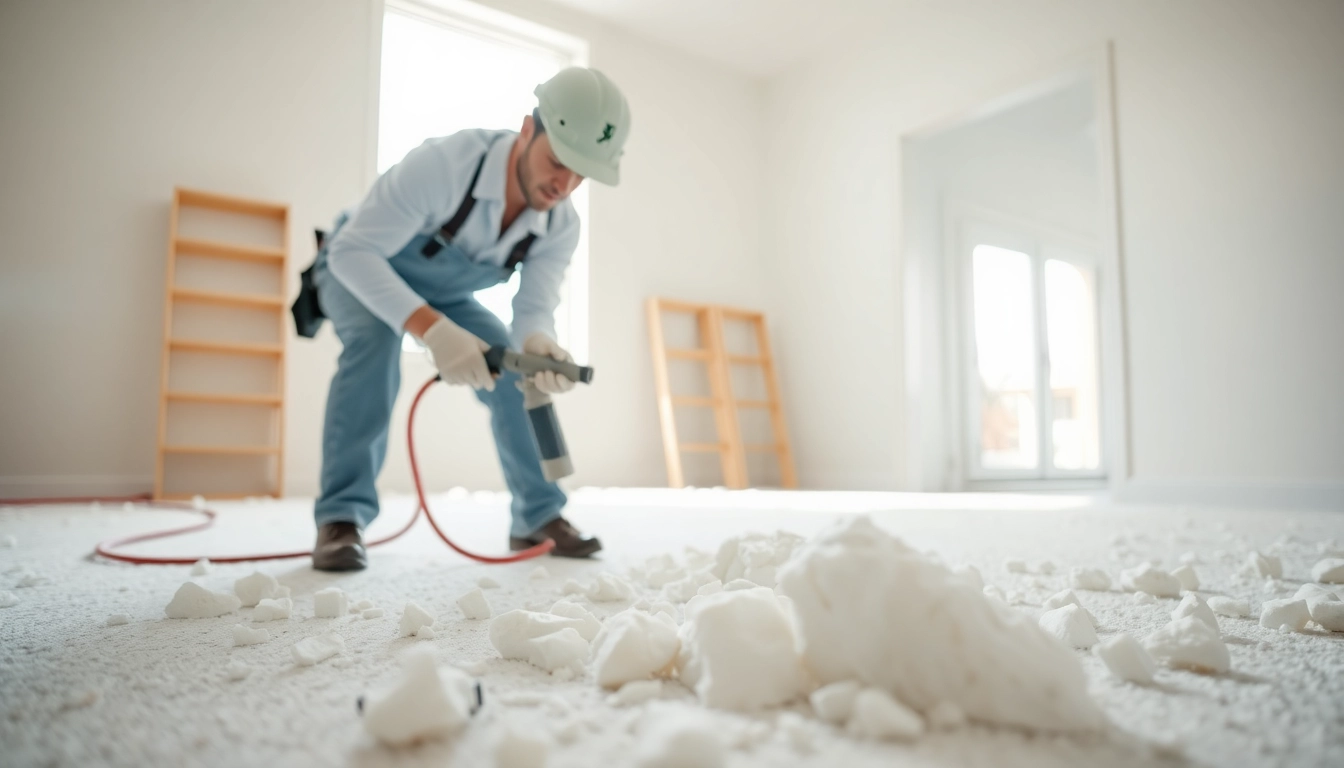
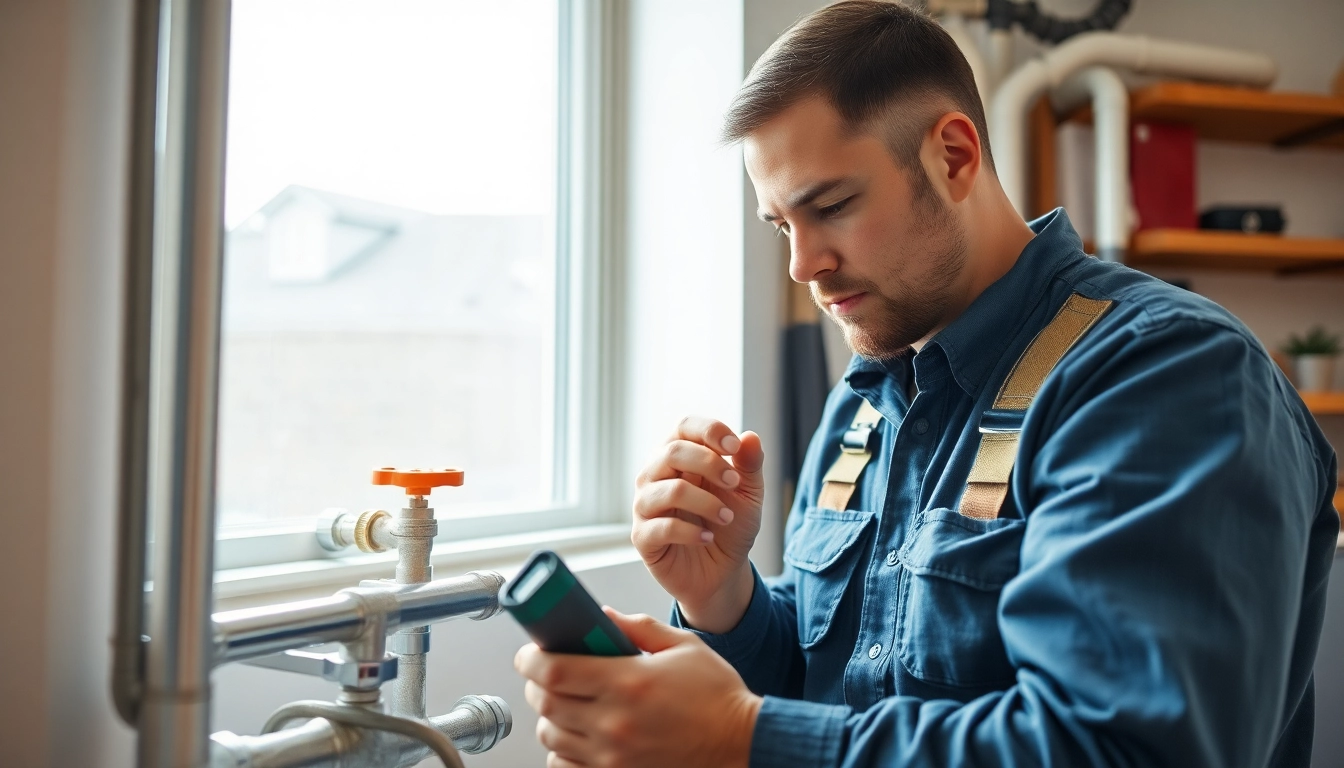
Whole house repiping is a comprehensive plumbing solution that involves replacing the existing piping throughout your entire home. This procedure is often necessary when the current pipes have deteriorated due to age, corrosion, leaks, or other issues that compromise their integrity. It enhances the overall plumbing system, ensuring clean water supply and efficient waste removal. If you’re experiencing ongoing plumbing issues, you might want to consider whole house repiping services St Petersburg FL for a long-term solution.
Common Indicators for Repiping
Identifying the need for repiping can be straightforward if you know what signs to look for. Common indicators include:
- Frequent Leaks: If you notice repeated leaks in various locations, your pipes may be compromised.
- Low Water Pressure: Deteriorating pipes can restrict water flow, resulting in lower water pressure throughout your home.
- Discolored Water: Rusty or discolored water often signifies corrosion within the pipes.
- Unpleasant Odors: Foul smells can indicate the presence of old, deteriorating pipelines, especially if it’s sewage-related.
- Age of Original Pipes: Homes older than 30 years may have outdated piping materials such as galvanized steel or polybutylene, which warrant replacement.
Benefits of Whole House Repiping
Investing in whole house repiping offers several advantages, including:
- Improved Water Quality: New pipes can enhance the quality of water, removing contaminants and other harmful substances.
- Increased Home Value: A modern plumbing system can raise your property’s market value significantly.
- Enhanced Safety: Updating outdated pipes minimizes the risk of leaks, mold, and other hazards associated with old plumbing systems.
- Cost Efficiency: Reducing the number of emergency repairs can save you money in the long run and improve energy efficiency.
- Peace of Mind: Knowing your plumbing system is sound allows homeowners to live comfortably without frequent plumbing worries.
Choosing the Right Materials
Types of Pipes for Repiping
When it comes to repiping your home, selecting the right type of pipe is critical. Common options include:
- Copper Pipes: Known for durability and resistance to corrosion, copper is a popular choice but can be expensive and may be prone to temperature-induced expansion and contraction.
- PEX Pipes: Flexible and easy to install, PEX is resistant to scale and chlorine, doesn’t corrode, and is often less expensive than copper. However, it can degrade in direct sunlight.
- CPVC Pipes: These are cost-effective and resistant to corrosion; however, they may be less durable than metal plumbing systems in high-temperature applications.
- Polybutylene Pipes: Once common, these pipes are now largely avoided due to their susceptibility to leaks and deterioration over time.
Cost Considerations for Different Materials
The cost of materials for repiping varies significantly. The average costs are:
- Copper: Approximately $2.50 to $15 per linear foot, depending on the diameter.
- PEX: Ranges from $0.50 to $3 per linear foot, making it the budget-friendly option.
- CPVC: Generally costs about $0.50 to $4 per linear foot, depending on thickness and length.
- Labor Costs: Repiping labor can range from $40 to $150 per hour, depending on the complexity of the job and the contractor’s experience.
Longevity and Maintenance of Repiping Materials
The lifespan of repiping materials affects long-term planning and costs:
- Copper: Can last up to 70 years but may need repairs from leaks caused by corrosion.
- PEX: Expected lifespan of 50 years or more; minimal maintenance required.
- CPVC: Typically lasts 25-40 years; it may require fittings replacement over time.
- Polybutylene: Generally considered unreliable as they can last only 10-15 years without serious leakage issues.
The Repiping Process Explained
Step-by-Step Overview of Repiping
The repiping process involves several key steps:
- Consultation: A plumbing professional inspects your current system and discusses your needs.
- Planning: The plumber develops a detailed plan that includes which materials to use, laying out the new system and obtaining necessary permits.
- Preparation: This includes shutting off water supply, draining current plumbing, and protecting furniture and flooring.
- Installation: Old pipes are removed, and new piping is installed following local codes and homeowner specifications.
- Testing: After installation, the system is tested for leaks and flow rates before completing the project.
- Cleanup: Any debris from the old pipes is removed, and the area is returned to its original state.
Timeline and Expectations During Repiping
The duration of the repiping process can vary based on several factors such as the size of your home, complexity of the plumbing system, and accessibility:
- Small Homes: May take 1-2 days.
- Medium Homes: Typically take 2-3 days.
- Large Homes: Could take 3 or more days, especially if numerous fixtures need connecting or the layout is complex.
During this time, homeowners should expect some interruptions in water service, but plumbers usually work efficiently to minimize downtime.
Post-Repiping Inspection and Maintenance Tips
After completing the repiping process, taking care of your new plumbing is essential:
- Regular Inspections: Have a professional inspect the system annually for leaks or corrosion.
- Monitor Water Pressure: Keep an eye on water pressure and address fluctuations promptly.
- Mind Water Quality: If discoloration or odors return, consult a plumber immediately.
- Proper Insulation: Ensure exposed pipes are adequately insulated to prevent freezing in colder months.
- Prompt Repairs: Act quickly on any minor leaks or issues to avoid larger, costlier repairs.
Hiring a Plumbing Professional
What to Look for in a Plumbing Service
Choosing the right plumbing service is crucial to ensure that your repiping project is successful. Consider the following factors:
- Experience: Look for established companies with a solid track record in repiping services.
- Licensing: Ensure they are licensed and insured in your state to protect your interests.
- Reviews and References: Read customer reviews and ask for references to gauge past performance.
- Contractor’s Qualifications: Verify certifications or training specific to repiping processes.
Questions to Ask Potential Contractors
When interviewing potential plumbing contractors, consider these questions:
- What is your experience with whole house repiping?
- Can you provide a detailed estimate and timeline for the project?
- What materials do you recommend and why?
- Will you obtain necessary permits?
- What guarantees or warranties do you offer on your work?
Understanding Quotes and Estimates
When receiving quotes, ensure they are comprehensive. A detailed estimate should include:
- Costs for labor and materials.
- Timeline for the project.
- Permits or inspections needed.
- Any potential additional costs that may arise.
Understanding your quote can save you from unexpected expenses down the line.
Frequently Asked Questions
What is the average cost of whole house repiping?
The cost can vary based on materials and labor involved but generally ranges from $4,000 to $15,000.
How long does the repiping process take?
The process typically takes 1-3 days depending on the size of the home and plumbing complexity.
Will my water service be interrupted?
Yes, there will be some interruption, but professionals strive to minimize downtime for homeowners.
Are permits required for repiping?
Yes, most municipalities require permits for repiping to ensure that work meets local plumbing codes.
How can I maintain my new plumbing?
Regular inspections and maintenance, along with prompt repairs for any leaks, will help prolong the life of your plumbing system.