
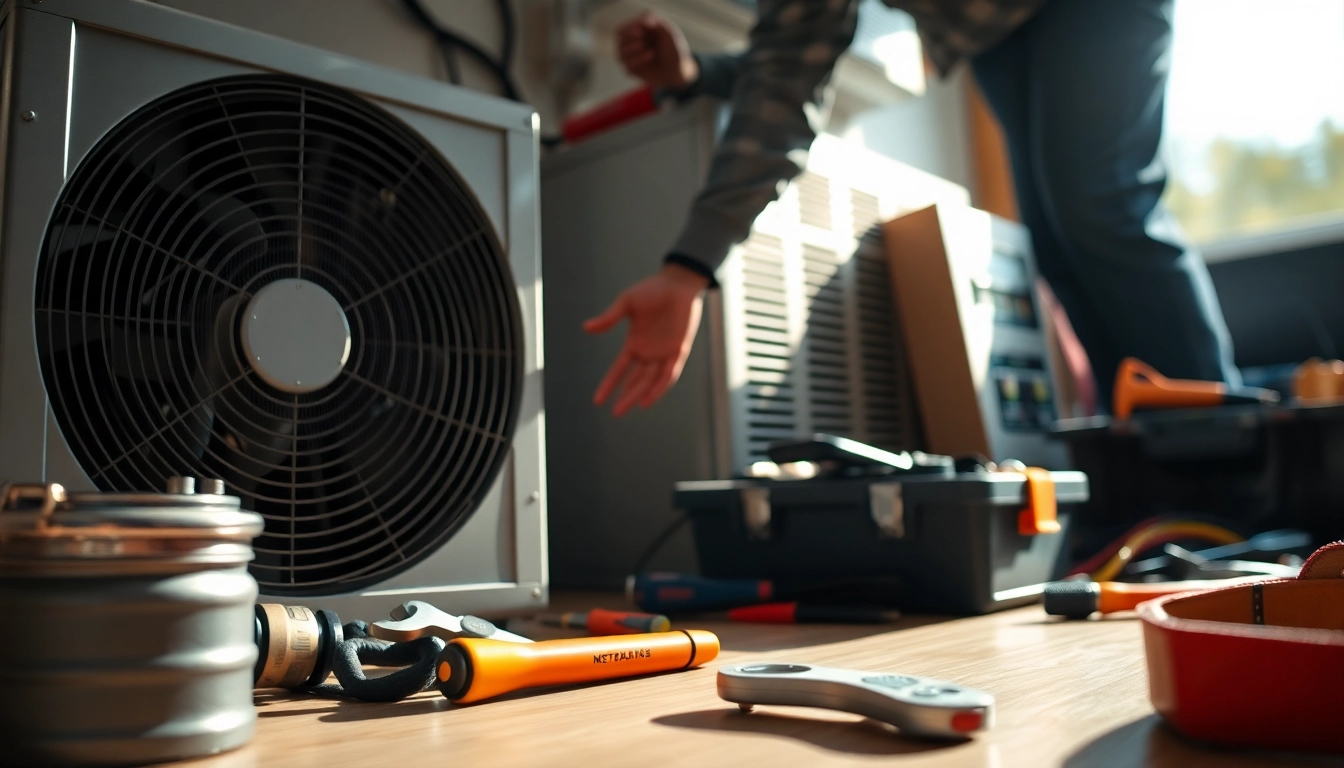
Understanding Air Conditioning Systems
Air conditioning systems play a crucial role in maintaining home comfort, especially in warmer climates like Tampa. To effectively address any issues that arise, it is essential to understand how these systems operate and the various types available in the market. In this guide, we’ll explore the components, types, and functioning of air conditioning systems.
Components of Air Conditioning
An air conditioning system comprises several key components that work together to cool indoor spaces effectively. These include:
- Compressor: This is the powerhouse of the system, compressing refrigerant and circulating it through the coils.
- Condenser Coils: Located outside, these coils allow the refrigerant to release heat and condense from gas to liquid.
- Expansion Valve: This component regulates the flow of refrigerant into the evaporator coils, lowering its pressure and temperature.
- Evaporator Coils: Found indoors, these coils absorb heat from the air, allowing cold air to circulate into the home.
- Fan: Responsible for moving air over the coils, ensuring even cooling distribution throughout the space.
Types of Air Conditioning Systems
There are various types of air conditioning systems to suit different needs and spaces:
- Central Air Conditioning: Suitable for larger homes, this system cools the entire space through ductwork.
- Window Units: Ideal for cooling individual rooms, these compact units fit into window frames.
- Split Systems: Comprising two main components (indoor and outdoor), split systems are versatile and commonly used.
- Portable ACs: These movable units can cool specific areas and are perfect for temporary solutions.
- Ductless Mini-Split Systems: Offering flexibility and efficiency, these systems require no ductwork and allow for zone cooling.
How Air Conditioning Works
The working principle of air conditioning systems involves the transfer of heat. Here’s a simplified breakdown:
- The compressor pressurizes the refrigerant, causing it to become hot gas.
- As it flows to the condenser coils, the gas releases heat to the outside air and turns into a liquid.
- The expansion valve reduces the pressure of the liquid refrigerant, causing it to evaporate and cool further.
- The chilled refrigerant flows into the evaporator coils, absorbing heat from indoor air, which cools the air that circulates through the space.
- The cycle repeats, maintaining a consistent indoor temperature.
Common Air Conditioning Problems
Recognizing problems early on can save homeowners from costly repairs. Understanding the symptoms, causes, and preventive measures can also greatly enhance the longevity of the system.
Identifying Symptoms of AC Issues
Common signs that indicate your air conditioning system may need repair include:
- Unusual noises coming from the unit.
- Inadequate cooling or uneven temperature distribution.
- Increased energy bills without changes in usage.
- Foul odors emanating from the vents.
- Frequent cycling or a unit that runs continuously.
Causes of Malfunctions
Several factors can contribute to air conditioning malfunctions, including:
- Dirty filters that restrict airflow.
- Lack of refrigerant due to leaks.
- Electrical component failures, such as a malfunctioning thermostat.
- Blocked drains that cause water leaks.
- Improperly sized units that can’t cope with heat loads.
Preventive Maintenance Tips
Proper maintenance can prevent most air conditioning problems. Here are some essential tips:
- Change or clean filters monthly.
- Schedule annual professional maintenance to check refrigerant levels and inspect major components.
- Keep the outdoor unit clear of debris and maintain proper airflow around the system.
- Inspect and clean the evaporator and condenser coils regularly.
- Ensure the thermostat is functioning correctly and calibrated.
Air Conditioning Repair Tampa Services
When issues arise, knowing the repair services available can make a significant difference in restoring comfort quickly. The Air Conditioning Repair Tampa services cover a wide range of solutions.
Types of Repair Services Offered
Common repair services include:
- Refrigerant recharge and leak repair.
- Compressor replacement or repair.
- Electrical system repairs including wiring and capacitor issues.
- Fan motor and blower motor replacement.
- Thermostat repairs and replacements.
Emergency Repair Situations
Certain situations require immediate attention. Emergency repairs may include:
- A complete system failure during peak summer.
- Signs of electrical hazards such as sparking or burning odors.
- Water leaks that may indicate refrigerant problems.
- Severe temperature fluctuations that may indicate compressor failure.
Choosing the Right Repair Service
Selecting a reliable repair service can ultimately affect your system’s performance and longevity. Here are key aspects to consider:
- Check for certifications and licenses of HVAC professionals.
- Look for customer reviews and testimonials.
- Inquire about warranties on parts and labor.
- Assess their availability for emergency services.
- Evaluate their transparency in pricing and services provided.
DIY Air Conditioning Troubleshooting
While professional maintenance and repair are often necessary, homeowners can troubleshoot basic issues themselves. Here’s how to get started.
Basic Troubleshooting Steps
Simplistic troubleshooting can help identify minor issues:
- Check the thermostat setting to ensure it is on cooling mode.
- Inspect and replace dirty air filters to improve airflow.
- Examine circuit breakers to ensure they are not tripped.
- Look for obstructions around the outdoor unit that may restrict airflow.
- Clean the condensate drain line to prevent clogging.
When to Call a Professional
While some issues can be tackled by DIY efforts, certain situations require professional intervention:
- If the unit is leaking refrigerant.
- When there are electrical issues such as constant tripping of breakers.
- In cases of unusual noises that you cannot identify.
- If the AC is blowing warm air despite settings.
- When the system requires extensive repairs or has multiple issues.
Common DIY Repairs
Homeowners can successfully perform minor repairs, including:
- Replacing air filters and registers.
- Cleaning debris from condenser coils.
- Fixing minor drain clogs using a wet/dry vacuum.
- Adjusting or calibrating the thermostat.
Cost and Efficiency of Air Conditioning Repair Tampa
Understanding the cost and efficiency aspects of air conditioning repair is essential for budgeting and for making cost-effective decisions.
Factors Affecting Repair Costs
Several elements influence air conditioning repair costs:
- The type and age of the unit.
- Nature and complexity of the repair needed.
- Labor costs in Tampa, which can vary by service.
- Availability and price of replacement parts.
- Seasonal demand, as repairs might cost more during peak usage periods.
Energy Efficiency Considerations
Repairing your air conditioning system not only restores function but also enhances energy efficiency:
- Well-maintained systems use less energy, reducing utility bills.
- Updating old parts can improve overall system efficiency.
- Properly repairing leaks can prevent energy waste.
- Regular maintenance ensures optimal operation.
Long-term Benefits of Professional Repair
Investing in professional repairs offers numerous long-term benefits:
- Extended lifespan of the air conditioning system.
- Improved air quality due to proper ventilation and airflow.
- Increased reliability and reduced risk of future breakdowns.
- Enhanced comfort level year-round.
- Better resale value due to a functioning, efficient system.
Frequently Asked Questions
What are common signs of an air conditioner malfunction?
Common symptoms include unusual noises, poor airflow, and incorrect temperature regulation. If you notice these, it’s time to inspect your unit.
How often should I schedule air conditioning maintenance?
It’s recommended to have maintenance done at least once a year to ensure optimal performance and longevity of your air conditioning system.
Can I perform air conditioning repairs myself?
While some minor troubleshooting can be done, it’s best to hire a professional for safety and to avoid further damage.
What are the costs associated with air conditioning repair?
The costs can vary based on the type of repair needed, parts, and labor. On average, repairs can range from $100 to $1,500 or more.
How can I improve the efficiency of my air conditioning?
Regular maintenance, replacing filters, sealing ducts, and ensuring proper insulation can significantly enhance your air conditioner’s efficiency.